Mahjong Tile Sizes: How to Choose What’s Right for You
- Tile size affects comfort, visibility and how easily players stay engaged
- Larger, simpler tiles often support beginners and home play more effectively
- Choosing tiles thoughtfully helps Mahjong feel more sustainable over time
Mahjong tile sizes play an important role in how comfortable and enjoyable the game feels. While often overlooked, tile size affects readability, handling, and overall ease of play — especially for beginners and anyone practicing Mahjong at home.
Choosing the right tile size is not about finding the “best” option. It is about understanding what feels comfortable for your hands, your eyes, and the way you prefer to play.
Common Mahjong tile sizes for home play
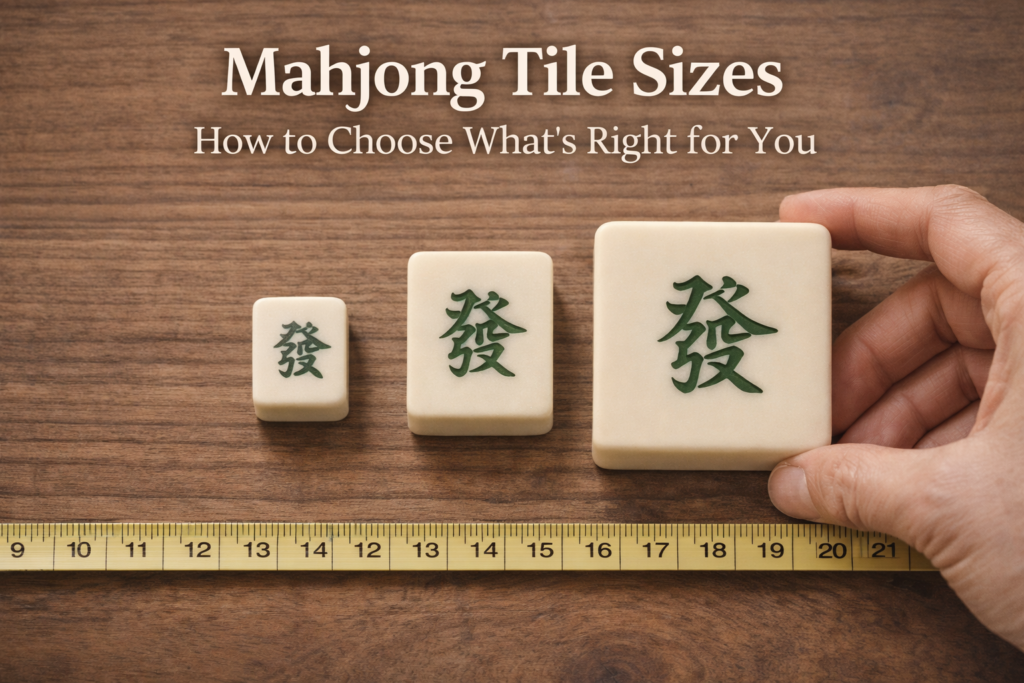
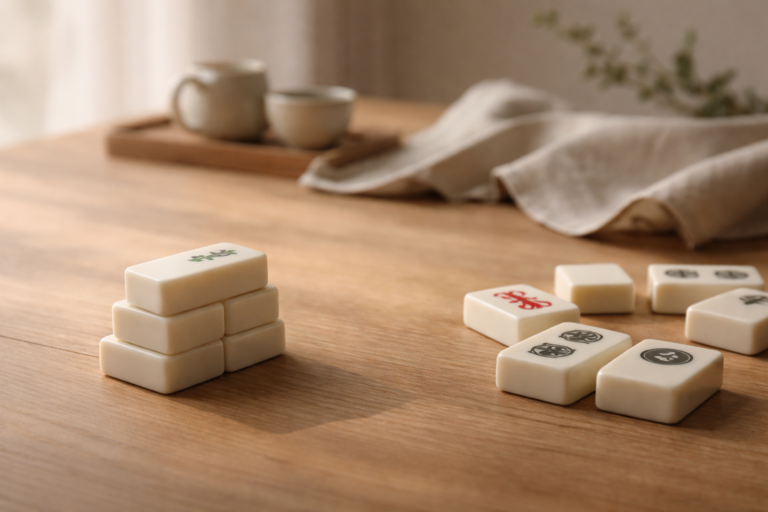
Mahjong tiles generally come in three broad categories: small, standard, and large. Smaller tiles are compact and lightweight, while larger tiles offer greater visibility and a more substantial feel.
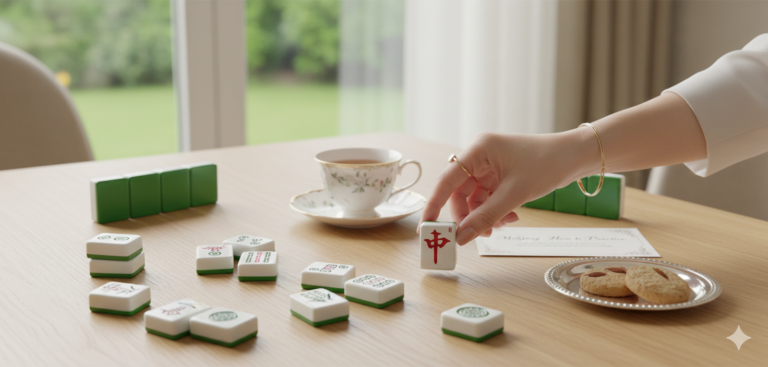
For many players, especially beginners, larger tiles are easier to handle. The symbols are clearer, spacing is more generous, and the tiles feel steadier when placed or discarded. Standard-sized tiles offer a balance between visibility and compactness, making them a popular choice for regular home play.
Smaller tiles are often preferred by experienced players who value portability or faster handling, but they can feel cramped for those still learning to recognize patterns.
Comfort and handling matter more than appearance
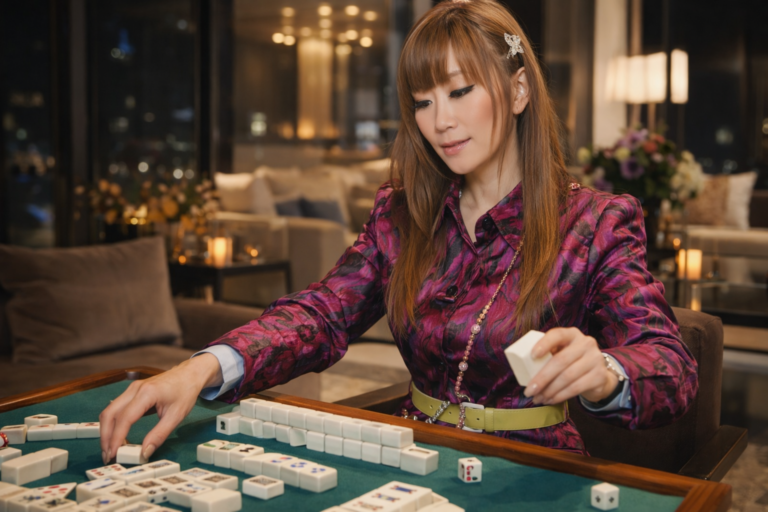
Tile size directly affects how the game feels physically. Larger tiles are easier to grip and move, which can reduce hand fatigue during longer sessions. This is particularly helpful for players with joint sensitivity or anyone returning to Mahjong after time away.
Smaller tiles may look elegant or travel well, but they can require more precision and focus to handle comfortably. Choosing between different mahjong tile sizes often comes down to comfort, visibility, and how long you plan to play.
Comfort should always take priority over aesthetics.
Visibility and focus at the table
Readability plays a major role in how relaxed Mahjong feels. When tiles are easy to distinguish, players spend less time decoding symbols and more time thinking through decisions.
Clear markings, adequate spacing, and consistent design all support focus. Larger tiles often provide better visibility under indoor lighting, reducing eye strain and helping players stay engaged for longer periods.
Mahjong’s long cultural history shows that tile design has always balanced beauty and function, evolving over time to support both aesthetics and usability.
Choosing simplicity over novelty
For beginners, simple and traditional tile designs are often the most effective. Ornate patterns or novelty sets may look appealing, but they can distract from learning and slow down recognition.
Clean designs help players focus on suits and numbers rather than decoration. This makes it easier to build familiarity and confidence during practice sessions.
For those interested in learning Mahjong in a modern context, clarity and comfort matter far more than visual complexity.
Preferences evolve with experience
Tile preferences often change as players gain experience. What feels comfortable at the beginning may evolve over time. Some players eventually prefer smaller tiles for speed or portability, while others continue to enjoy the stability of larger sets.
There is no single correct choice. Mahjong allows room for personal preference, and experimenting with different mahjong tile sizes helps players understand what feels most natural for their hands and eyes.
Choosing tiles with intention
When selecting a Mahjong set, consider where and how you plan to play. Home environments benefit from tiles that prioritize comfort, clarity, and ease of handling. There is no need to rush this decision.
Tile size also affects how confidently players interact with the table. When tiles feel comfortable to handle, attention stays on decision-making rather than mechanics. This subtle ease often encourages longer sessions and more consistent engagement over time.
Thoughtful choices around tile size can quietly shape how comfortable and inviting Mahjong feels over time.