Mahjong and the Art of Beginning Again
Mahjong lifestyle is less about competition and more about returning — to a table, a rhythm, and a way of paying attention that feels increasingly rare. At the beginning of a new year, this return often arrives quietly. Not with a dramatic shift, but with a subtle invitation to pause, to notice, and to begin again with intention.
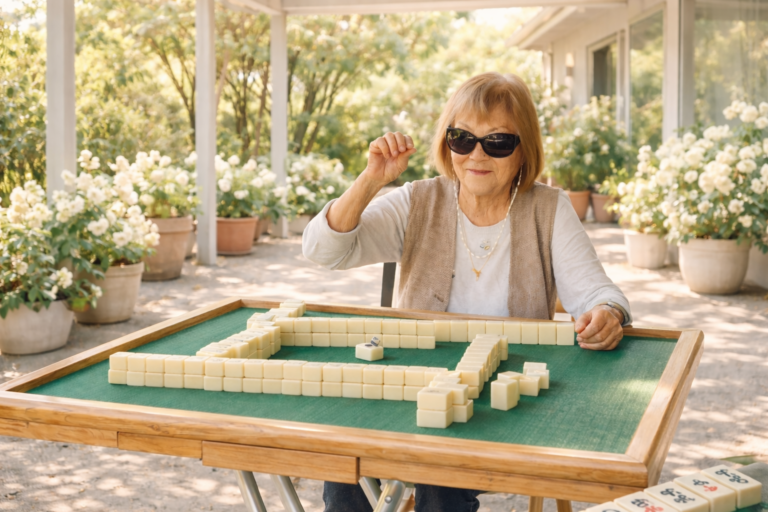
Mahjong has always held space for this kind of moment. Long before it was thought of as a game, it existed as a ritual: a table set, tiles arranged, hands shuffled, and a shared understanding that each round was both an ending and a beginning.
For many, embracing a mahjong lifestyle means valuing presence over outcome and intention over speed. To sit down with Mahjong is to accept that nothing is carried forward unchanged. Every hand resets. Every draw reopens possibility. What mattered moments ago no longer applies — and that, perhaps, is its quiet lesson.
Beginning without urgency
Modern life encourages speed. Faster decisions, quicker outcomes, constant progress. Mahjong resists this instinct. It asks instead for patience — not as a strategy, but as a posture.
At the start of a new hand, there is no advantage in rushing. The tiles reveal themselves gradually. Patterns emerge only if you allow them to. Mahjong reminds us that beginnings are not meant to be optimized; they are meant to be observed.
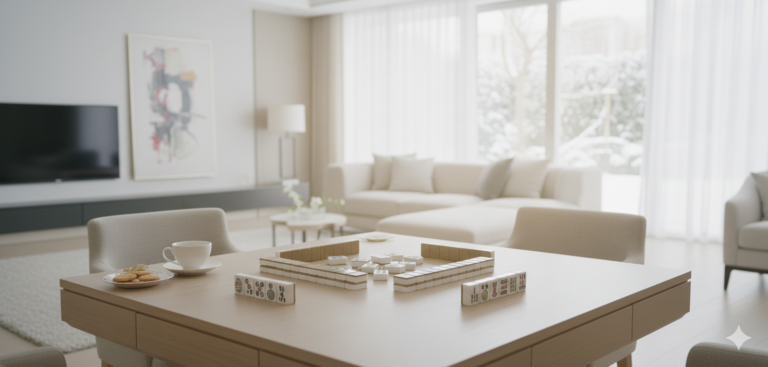
This is why many people return to Mahjong during moments of transition. The start of a year. A change in routine. A desire to re-center. Within a mahjong lifestyle, the table becomes a place where attention replaces ambition and where progress is measured quietly, not publicly.
The meaning of letting go
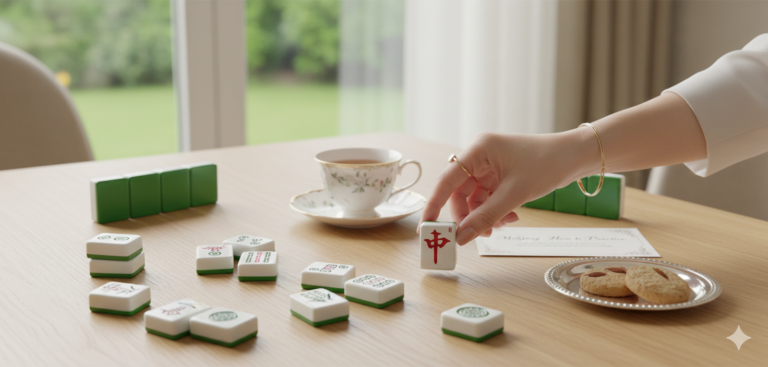
Every Mahjong hand requires release. You cannot keep everything. You must choose what no longer belongs, even if it once seemed promising.
This act — discarding — is often misunderstood as loss. In truth, it is clarity. Letting go creates space. It allows the hand to breathe. It allows the next tile to matter.
There is something deeply resonant about this at the turn of a year. The practice of choosing what to set aside mirrors the quieter resolutions many people now favor: fewer promises, more presence. Mahjong does not reward holding on too tightly. It rewards discernment.
A ritual, not a resolution
Unlike goals that demand outcomes, Mahjong offers process. The satisfaction is not found in winning quickly, but in playing attentively. In noticing how a hand evolves. In recognizing when flexibility serves better than certainty.
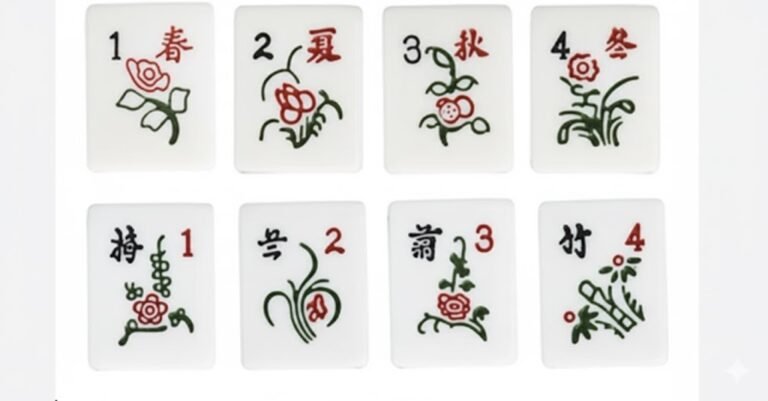
Mahjong’s long cultural history reflects its role as a social and reflective practice rather than a purely competitive one, a tradition documented across generations.
This is why Mahjong endures across generations and cultures. It adapts without losing its essence. The tiles remain the same; the experience shifts with the player. As a lifestyle, Mahjong asks very little — only a willingness to show up and engage thoughtfully.
Within a mahjong lifestyle, improvement is subtle. It appears not as sudden mastery, but as calmer decisions, clearer judgment, and a growing comfort with uncertainty.
Returning to the table
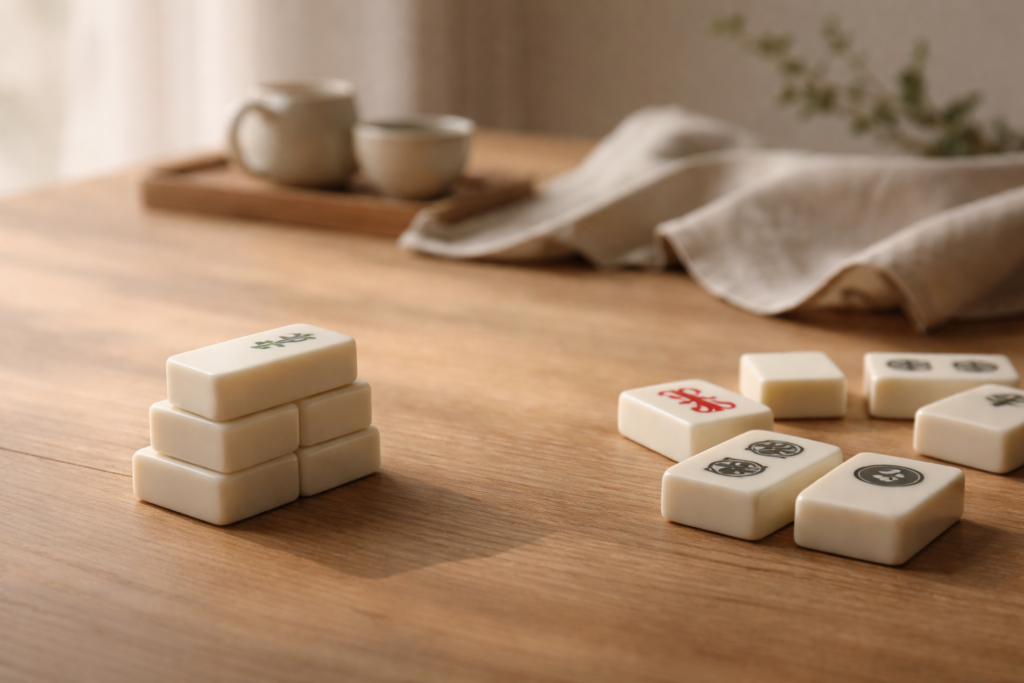
To begin again does not require reinvention. Sometimes it simply means returning — to a familiar table, a set of tiles, a practice that asks you to slow down.
Mahjong offers this return gently. There is no penalty for past mistakes, no memory of what came before. Each hand begins cleanly, inviting you to meet it as you are, not as you were.
Seen this way, mahjong lifestyle becomes less about mastery and more about returning — again and again — with clarity and care. For those interested in learning Mahjong in a modern context, exploring how the game is practiced today can offer a thoughtful point of entry.
Perhaps that is why Mahjong feels especially fitting at the start of a year. It does not ask for grand declarations. It offers instead a quiet, steady rhythm — one hand at a time.
And in that rhythm, beginning again feels less like an effort, and more like a natural continuation.