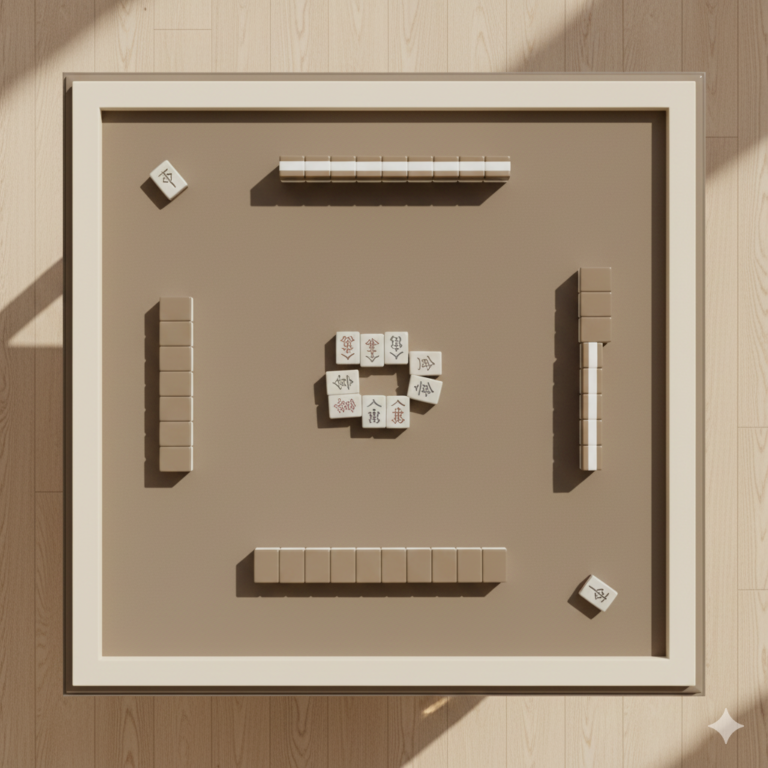
Mahjong Tiles Explained: Suits, Winds, Dragons and Bonus Tiles
Understanding the essential Mahjong tile groups—number tiles, Winds, Dragons, and bonus tiles—helps new players recognize patterns faster and make clearer decisions during each turn.
This visual guide explains each tile group with simple examples. To see how these tiles combine into real hands, explore your Hand Structure Foundations. For a neutral reference on tile families, the Mahjong tile overview on Wikipedia is also helpful.
1. Number Tiles (Suits)
Number tiles come in three suits—Dots, Bamboo, and Characters—and run from 1 to 9. These form most of the patterns and flexible sequences players build during a game.
Dots (Circles)
Dots use circular symbols and are typically the easiest suit for beginners to recognize.









Bamboo (Sticks)
Bamboo tiles show stylized stalks and form many flexible sequence shapes.









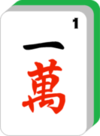
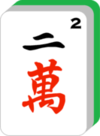
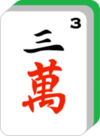
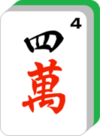
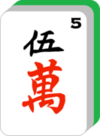
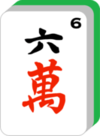
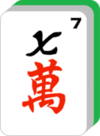
Characters (Wan)
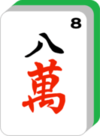
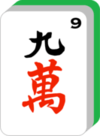
Character tiles feature the symbol “萬” and represent the numbers one through nine.
2. Honor Tiles
Honor tiles include Winds and Dragons and often influence scoring value.
Winds
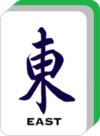
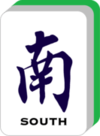
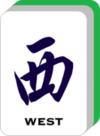
There are four Winds: East, South, West, and North.

Dragons
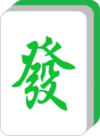
The three Dragons—Red, Green, and White—are among the most influential tiles in scoring.


3. Flowers and Seasons
Some Mahjong sets include optional Flower and Season tiles that offer small bonuses when drawn. These do not form standard melds.
4. Recognition Tips
Group tiles mentally by suit for faster recognition. Middle numbers (4, 5, 6) complete the widest range of shapes, so practice spotting them quickly. Recognizing honor tiles instantly helps with both value-building and late-game defense.