What Is Mahjong? A Simple Beginner’s Guide to Tiles, Rules and Strategy
Originally published in Mahjong Academy. If you’re new to Mahjong, start with our complete guide:
How to Play Mahjong for Beginners.
This guide explains the Mahjong tiles, rules, and basic gameplay so you can start playing confidently. Many new players start by learning the basics through online Mahjong classes that explain the tiles, rules, and gameplay step by step.
Introduction
What is Mahjong? Mahjong is a four-player tile game that combines strategy, observation, and pattern recognition. Players build a complete hand by drawing and discarding Mahjong tiles while forming small combinations throughout the round.
Mahjong originated in China and has become popular around the world. Although there are many regional styles of Mahjong, the core objective remains the same across most versions: assemble a winning hand faster than the other players.
Whether you have seen Mahjong played at family gatherings, social clubs, or online platforms, understanding what Mahjong is begins with learning the tiles, the basic rules, and how a round progresses.
In this guide, you will learn what Mahjong is, how the tiles are organized, how gameplay works, and what it means to complete a winning hand. If you want to learn the gameplay step by step, read our complete guide explaining how to play Mahjong for beginners. What is Mahjong becomes much clearer once you understand the tiles, the rules, and how players build winning hands during the game.
What Is Mahjong: The Essence
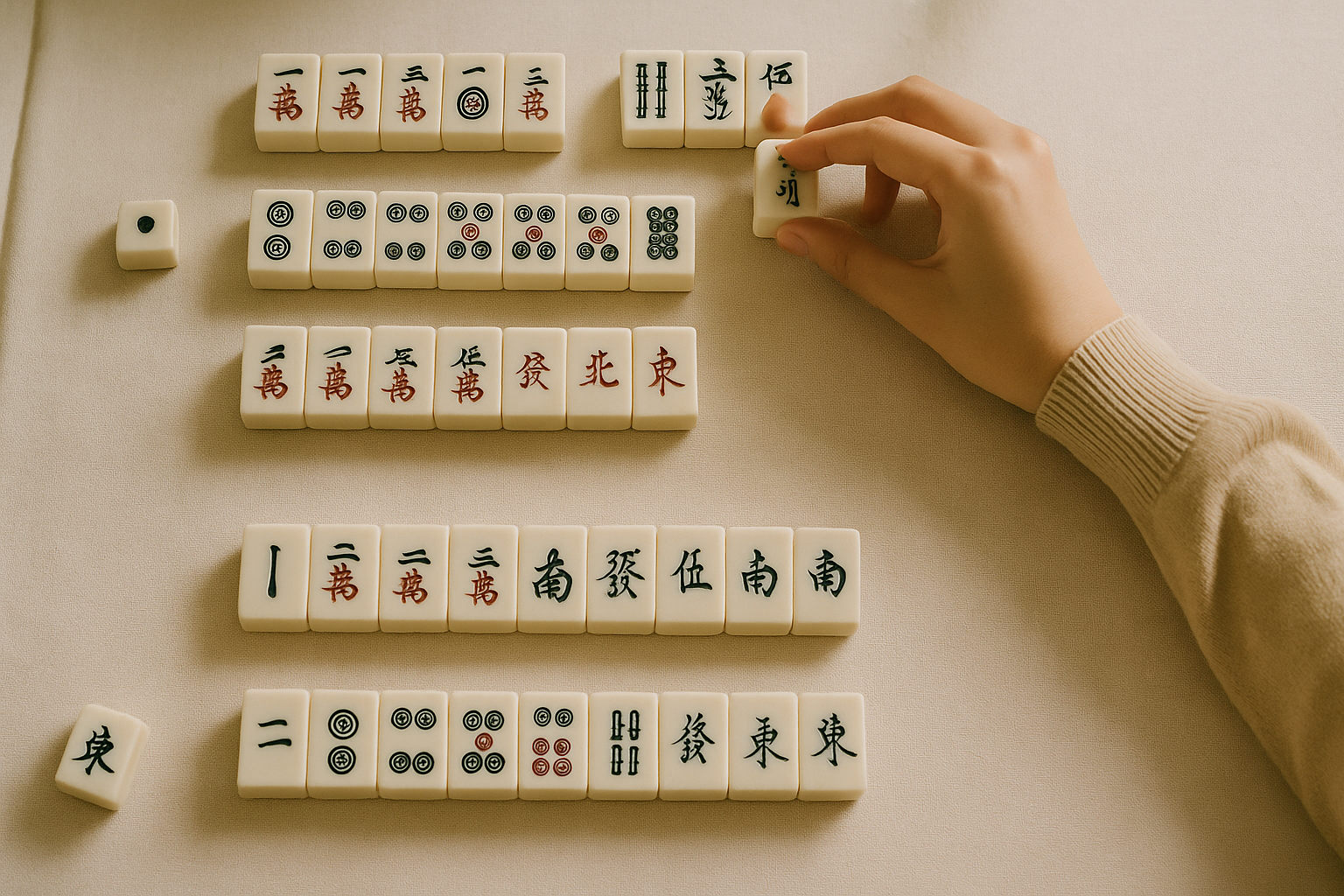
What is Mahjong? At its core, Mahjong is about constructing a complete hand using 14 tiles.
A standard winning hand usually contains:
• four melds (groups of tiles)
• one pair (two identical tiles)
These small tile groups form the structure of almost every Mahjong hand.
Common types of melds
Three identical tiles

Four identical tiles

A sequence of three consecutive tiles in the same suit
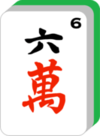
Mahjong becomes interesting because players must build their own hand while observing what other players discard. Every tile that appears on the table provides information about what hands might still be possible.
This balance between building and observing creates the strategic depth that Mahjong is known for.
The Mahjong Tiles
Understanding the tiles is an important part of learning what is Mahjong, because every hand and strategy is built from these tile combinations.A standard Mahjong set contains 144 tiles. These tiles fall into three major categories: suits, honors, and optional bonus tiles.
While some Mahjong rule sets vary slightly, this structure is widely used.
Suit tiles
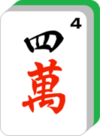
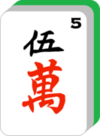
There are three suits, each numbered from 1 to 9. Each tile appears four times.
Bamboo suit








Circle suit








Character suit
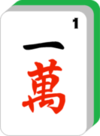
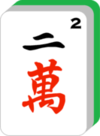
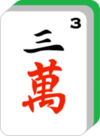

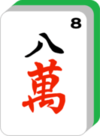
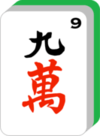
Each suit contains 36 tiles, giving a total of 108 suit tiles.
Suit tiles form the foundation of most Mahjong hands because they allow players to build sequences and sets.
Honor tiles
Honor tiles do not follow numerical sequences. Instead, they represent symbolic categories.
Wind tiles




Dragon tiles



There are four copies of each honor tile, giving a total of 28 honor tiles.
Honor tiles typically form triplets or quads rather than sequences.
Bonus tiles (optional)
Some Mahjong styles include eight bonus tiles:
• four flower tiles
• four season tiles
Each bonus tile appears only once. When drawn, it is usually set aside immediately and replaced with another tile.
These tiles typically provide small scoring bonuses but are not required to form a winning hand.
Why Tile Recognition Matters
Learning to recognize tiles quickly is one of the first skills every Mahjong player develops.
Experienced players can instantly identify:
• suit tiles
• honor tiles
• terminal tiles (1s and 9s)
The faster you recognize tiles, the easier it becomes to evaluate possible hands and make confident decisions.
The Goal of the Game
To fully understand what is Mahjong, it helps to know how a winning hand is structured.Most Mahjong games consider a hand complete when a player forms a 14-tile winning structure.
The most common pattern consists of:
• four melds
• one pair
For example:
Once a player completes this structure, they declare a win and the round ends.
Different Mahjong styles add additional scoring rules and special hands, but this structure forms the basic framework of the game.
Understanding what Mahjong is helps new players follow the rhythm of the game and recognize the tile patterns that lead to winning hands. Once you understand these fundamentals, the question what is Mahjong becomes much clearer and the game starts to feel much more intuitive.
Learn Mahjong Faster with a Cheat Sheet
Download the Free Mahjong Cheat Sheet to quickly learn the tiles, basic hands, and beginner strategies.
Join a Beginner Mahjong Class
Learning Mahjong is much easier with guidance and real gameplay. Our Beginner Mahjong Classes introduce the tiles, hand structures, and game flow step by step in a friendly environment.
Continue Learning with Mahjong Academy
For structured lessons, deeper strategy explanations, and guided practice, explore the Mahjong Academy.
Next Steps
Now that you understand the basic structure of the game, the next step is learning how to recognize the tiles quickly.
Continue with the next guide: