Winning Mahjong Hand: 5 Powerful Tips for Your First Win
Originally published in Mahjong Academy. If you’re new to Mahjong, start with our complete guide:
How to Play Mahjong for Beginners.
Introduction
Building your first winning Mahjong hand is an exciting milestone for new players. Although Mahjong may appear complex at first, most winning hands follow a simple structure.
A standard winning Mahjong hand contains 14 tiles arranged as four sets and one pair. Players gradually form these combinations by drawing tiles, discarding unwanted ones, and sometimes claiming tiles from other players.
The five tips below will help beginners recognize patterns faster and increase their chances of completing their first winning Mahjong hand.
Start Free. Grow Your Skill. Unlock More.
Discover strategy and modern Mahjong culture all in one place at Mahjong Academy. Begin with free articles that teach the foundations, then dive deeper with Core and Master content. Explore step-by-step lessons, strategy guides, and curated resources designed to help you play with clarity and confidence.
Tip 1: Understand the Basic Winning Structure
Most Mahjong games use the same basic formula for a winning hand.
four sets
one pair
Sets are usually made from three or four tiles.
Examples include:
Sequence



Triplet

Quad
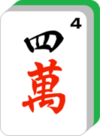
In addition to these four sets, your hand must contain one pair.
Example:

Keeping this structure in mind helps you decide which tiles move your hand closer to winning.
Tip 2: Build Flexible Sequences Early
Sequences are often easier to build than triplets because they allow more possible connections.
Example:
This shape can be completed by either:

Middle tiles such as 4, 5, and 6 are especially flexible because they connect to the widest range of sequences.
Building flexible shapes early in the round increases your chances of completing a winning Mahjong hand later.
Tip 3: Use Game Techniques to Complete Sets
During the game you may be able to claim tiles discarded by other players. These techniques allow you to complete sets more quickly.
Chow
A chow is a sequence of three tiles in the same suit.

You can claim a tile discarded by the player before you to complete this sequence.
Pong
A pong is a set of three identical tiles.

If another player discards the tile you need, you can reveal the pong and claim it.
Kong
A kong is a set of four identical tiles.
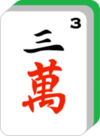
Declaring a kong allows you to draw an extra replacement tile.
These techniques help players complete their sets and move closer to a winning hand.
Tip 4: Recognize the Two Ways to Win
A winning Mahjong hand can be completed in two different ways.
Self-draw
You draw the final tile yourself from the wall. This type of win is often called zimo.
Winning on a discard
If another player discards the tile you need while you are one tile away from winning, you may claim that tile to complete your hand.
Understanding these two winning conditions helps you recognize when you are close to victory.
Tip 5: Learn About Special Winning Hands
While most Mahjong hands follow the standard structure of four sets and one pair, some special hands use different patterns.
Two well-known examples include:
Seven Pairs
A hand made entirely from seven pairs.
Thirteen Orphans
A rare hand made from terminal and honor tiles.
Different Mahjong styles treat these hands differently in scoring, but they are part of the rich strategy and variety of the game. Many beginners learn how to recognize winning patterns faster by practicing with online Mahjong classes and guided gameplay examples. If you are completely new to Mahjong, you may also want to read more on Wikipedia.
Learn Mahjong Faster with a Cheat Sheet
Download the Free Mahjong Cheat Sheet to quickly learn the tiles, basic hands, and beginner strategies.
Join a Beginner Mahjong Class
Learning Mahjong is much easier with guidance and real gameplay. Our Beginner Mahjong Classes introduce the tiles, hand structures, and game flow step by step in a friendly environment.
Continue Learning with Mahjong Academy
For structured lessons, deeper strategy explanations, and guided practice, explore the Mahjong Academy.