Playing Mahjong at Home Comfortably: Accessibility, Pace and Setup
- Playing Mahjong at home becomes easier when comfort is treated as part of the practice, not an afterthought
- Small adjustments in seating, lighting, and pacing can shape how often players return to the table
- Consistency grows naturally when Mahjong fits into daily life without pressure
Why comfort matters in home Mahjong
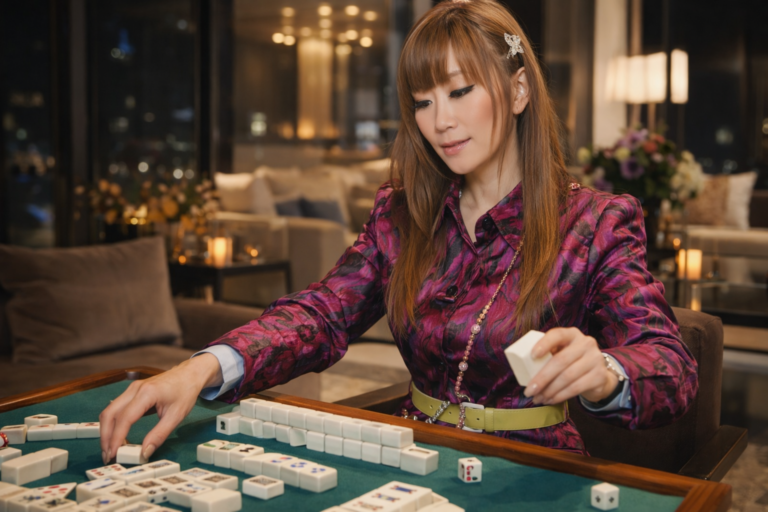
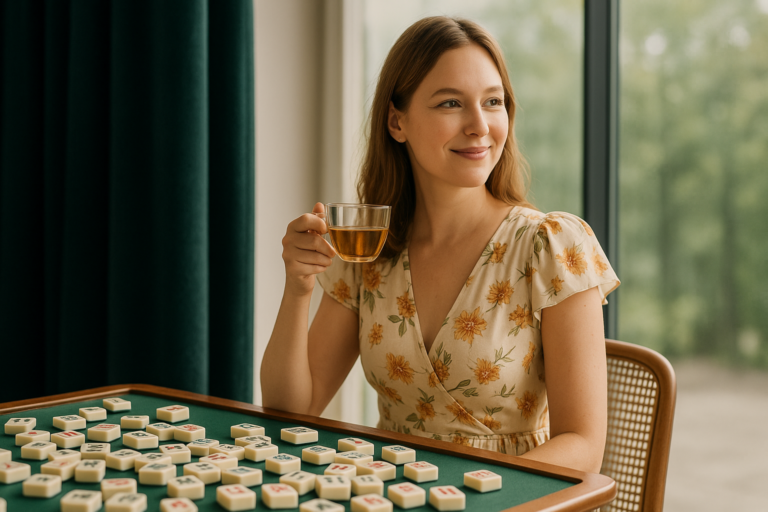
At home, Mahjong is often played differently than in formal or competitive settings. Sessions may be shorter, the pace may be slower, and the environment may be quieter. These differences make comfort especially important.
When players feel physically at ease, attention stays on decisions and patterns rather than posture, fatigue, or strain. Comfort reduces friction, allowing Mahjong to feel welcoming rather than demanding.
Mahjong’s long cultural history reflects this adaptability, as the game has always been shaped by the environments in which it is played.
Seating and posture
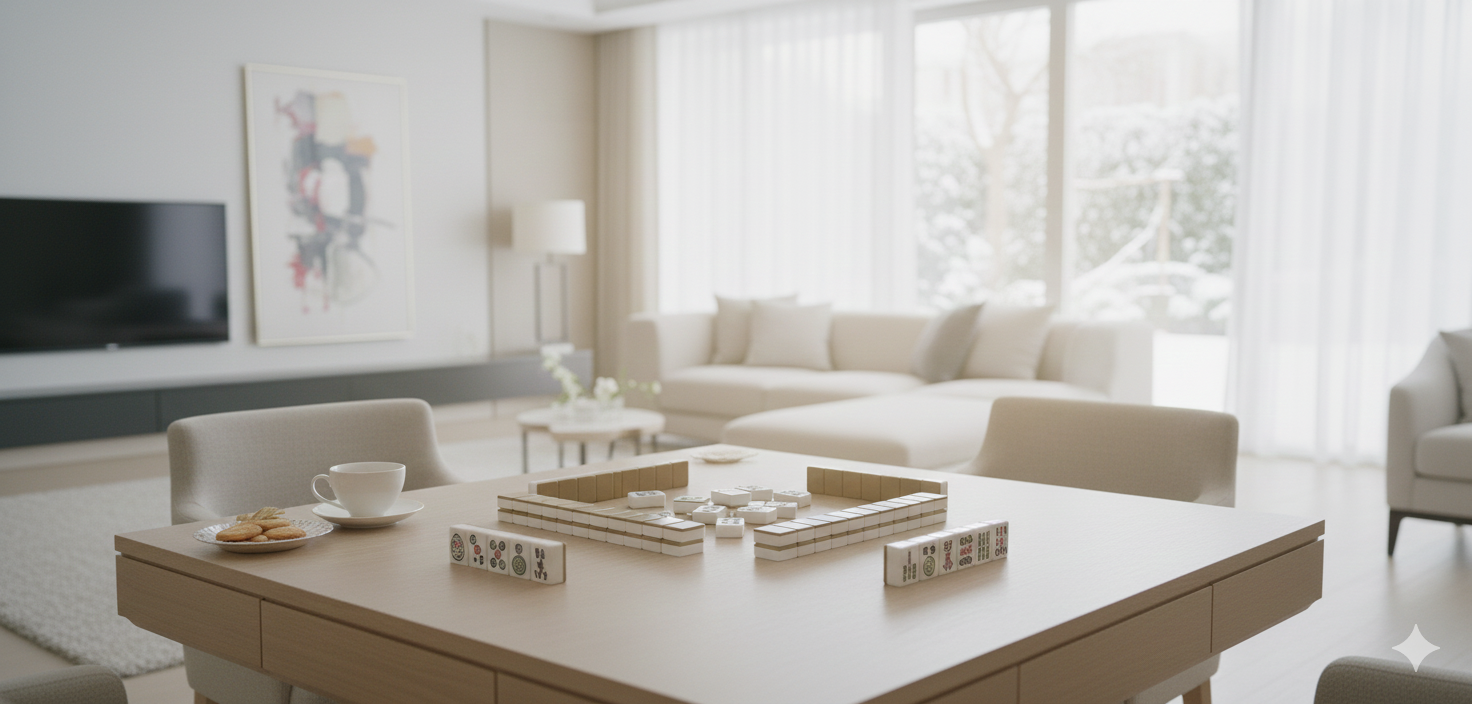
Comfortable seating plays a larger role than many players realize. Chairs that support the back and allow feet to rest naturally help reduce fatigue during play. A table height that allows hands to move easily without reaching or hunching supports relaxed posture.
Small adjustments, such as adding a cushion or adjusting chair height, can make long sessions feel noticeably easier. When posture feels natural, players remain engaged without physical distraction.
Lighting and visual ease
Lighting has a direct impact on how comfortable Mahjong feels. Harsh overhead lighting can create glare on tiles and strain the eyes, while lighting that is too dim makes tile recognition harder.
Soft, even lighting works best for home play. Lamps or indirect light sources often provide better balance than bright ceiling lights. Reducing glare supports visual comfort and allows players to concentrate without fatigue.
Pace and session length
Playing Mahjong comfortably at home means allowing sessions to be as long or as short as needed. There is no requirement to complete multiple full games in one sitting. One or two hands can be enough.
Shorter sessions support focus and reduce mental fatigue. Ending play while energy is still good encourages players to return rather than feel drained. Comfort includes knowing when to stop.
Accessibility as a habit, not a feature
Accessibility in Mahjong is not limited to equipment. It includes habits such as taking breaks, keeping sessions manageable, and creating a calm environment.
When these habits are in place, Mahjong feels easier to approach. Learning becomes steady rather than rushed. Over time, this consistency supports deeper understanding and enjoyment.
Playing Mahjong at home also benefits from emotional comfort, not just physical ease. When players feel unhurried and free from expectation, curiosity replaces pressure. This mindset encourages experimentation and reflection, allowing patterns to emerge naturally over time. Comfort, in this sense, becomes a quiet form of structure — one that supports learning without imposing rules or timelines. When Mahjong feels emotionally accessible, returning to the table becomes a choice rather than a task.
Creating a setup you want to return to
A comfortable Mahjong setup does not need to be elaborate. It should feel familiar. Using the same table, seating, and lighting helps create a sense of ease. Familiarity reduces hesitation and makes it simpler to begin a session.
No single element needs to be perfect. What matters is that the overall experience feels supportive.
When comfort comes first, returning to Mahjong feels natural rather than effortful. Over time, this ease encourages consistency, and consistency allows understanding to develop quietly. For those interested in learning Mahjong in a modern context, guided Mahjong practice online can offer gentle structure at home — supporting progress without pressure, one decision at a time.