Mahjong for Beginners at Home: A Gentle Way to Start
- Learning Mahjong at home allows beginners to move at their own pace without pressure
- Simplifying tiles, sessions and environment makes the game more approachable
- Confidence grows naturally when learning is built around comfort and repetition
Learning Mahjong for beginners at home is one of the most comfortable and effective ways to begin. Many people assume Mahjong must be learned in a full group or under the guidance of experienced players. In reality, starting at home allows new players to slow down, build familiarity, and gain confidence without pressure.
Home learning removes performance anxiety. There is no need to keep pace with others, no expectation to remember everything at once, and no embarrassment in making mistakes. This environment supports learning through observation and repetition rather than speed.
Start with the essentials only when learning Mahjong for beginners at home
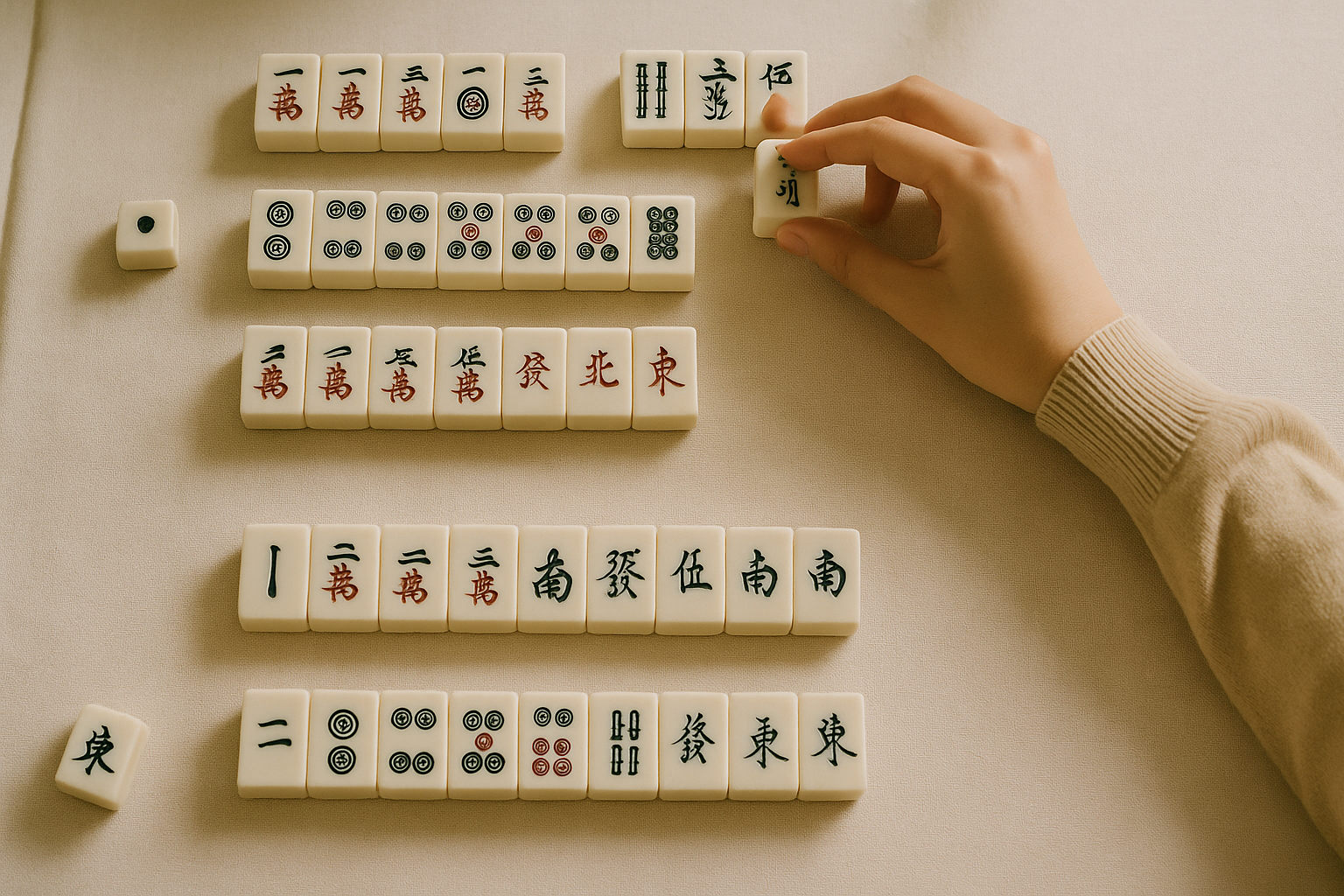
When learning Mahjong at home, simplicity is key. Beginners do not need to use every tile in the set. Start with the three main suits and remove optional elements such as flower tiles during early practice.
This streamlined setup helps beginners focus on recognizing tiles, understanding turn order, and learning how drawing and discarding work. Reducing visual clutter makes it easier to stay engaged and prevents early overwhelm.
Mahjong has always adapted to its players. Simplifying the game at the beginning reflects how the game has been taught informally for generations.
Create a consistent practice space
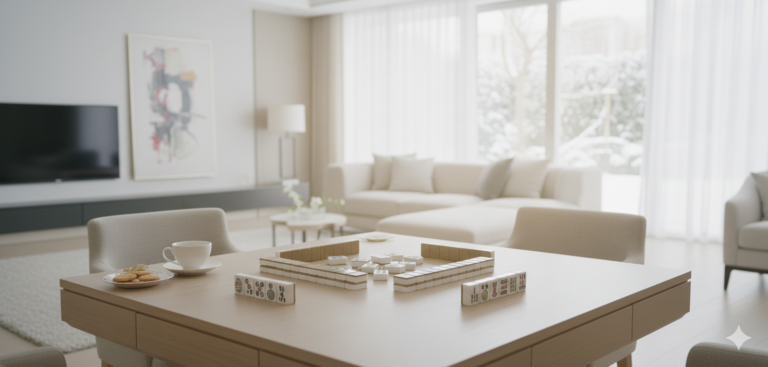
Consistency supports learning. Practicing Mahjong in the same place each time helps beginners feel grounded. A familiar table, comfortable chair, and steady lighting reduce distractions and make the experience feel more approachable.
Returning to the same setup allows players to focus on the game itself rather than adjusting to new surroundings. Over time, this consistency builds confidence and makes practice sessions easier to start and sustain.
Learn in short, focused sessions
Long sessions can be tiring, especially for beginners. Short practice sessions — even just one or two hands — are far more effective. These focused sessions allow players to stay attentive and avoid mental fatigue.
Learning Mahjong is not about completing as many hands as possible. It is about gradually recognizing patterns and becoming comfortable with the rhythm of play. Short sessions encourage regular practice, which leads to steady progress over time.
Practice alone or with one partner
A full table is not required to begin learning Mahjong. Practicing alone or with one partner allows beginners to explore decisions at their own pace. This approach removes social pressure and creates space for reflection.
Mistakes feel less intimidating in this setting. Players can pause, restart, or replay situations without interruption. These quiet moments of practice build familiarity that transfers naturally to group play later.
Focus on understanding, not completion
At home, there is no need to finish every hand. Beginners benefit more from understanding why a tile is discarded or why a combination works than from reaching the end of a game.
Learning Mahjong at home also allows beginners to revisit the same situations multiple times. Seeing similar tile patterns repeatedly builds familiarity and reduces hesitation. Over time, decisions feel more intuitive, not because they are memorized, but because they have been experienced calmly and consistently.
Pausing to reflect on decisions helps build intuition. Over time, patterns begin to feel familiar rather than confusing. This approach supports learning through understanding rather than memorization.
Build comfort before adding complexity
Once the basics feel familiar, additional elements can be introduced gradually. Flower tiles, faster pacing, or more advanced patterns can be added when players feel ready.
Mahjong rewards patience more than speed. Progress feels more natural when complexity is layered slowly rather than introduced all at once. Approaching Mahjong for beginners at home with patience allows learning to feel sustainable rather than rushed.
For those interested in learning Mahjong in a modern context, starting at home allows learning to unfold at a personal pace, shaped by comfort rather than comparison.
Mahjong’s long cultural history reflects this gradual approach, passed down through observation, repetition, and shared experience.