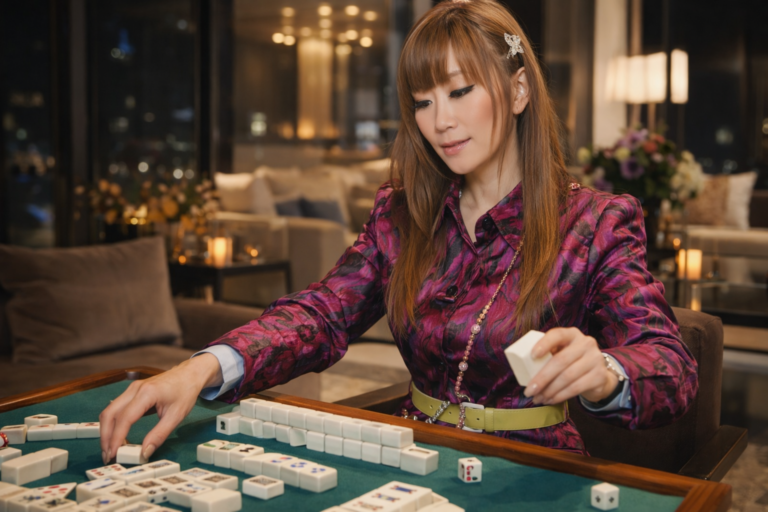
Free Mahjong Practice: Learning One Hand at a Time
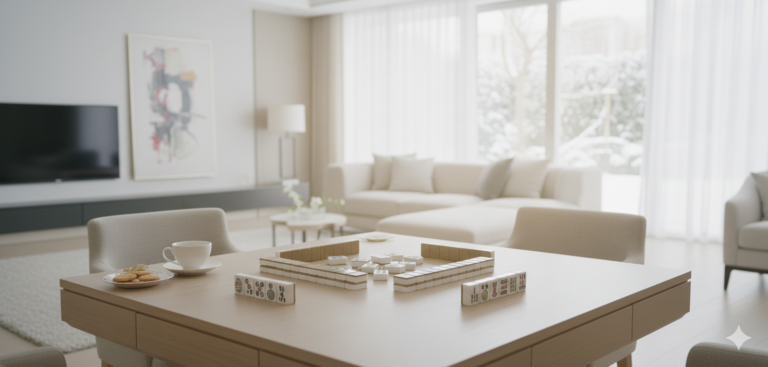
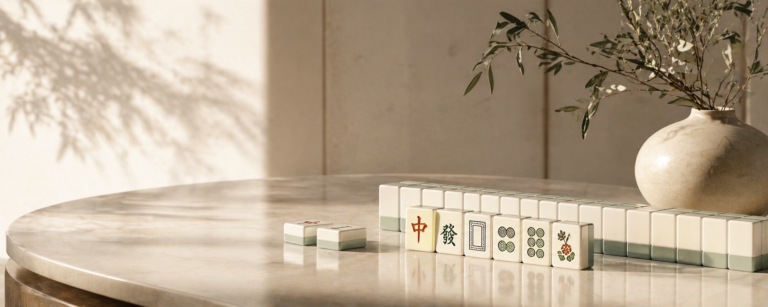
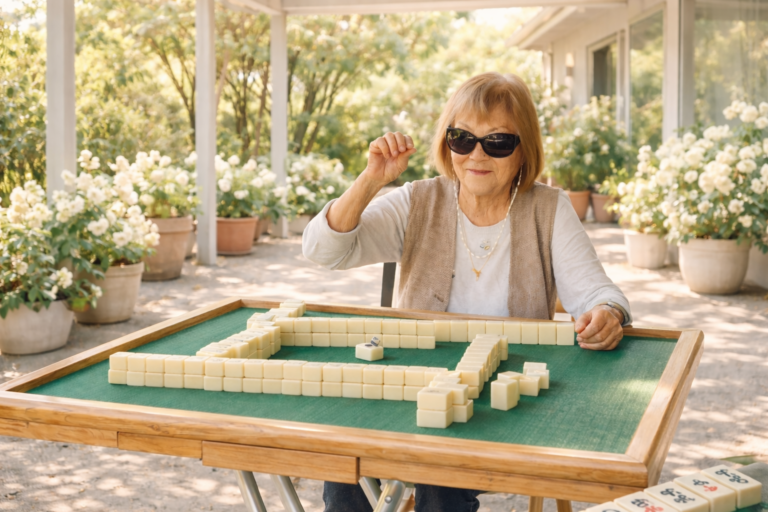
Free Mahjong practice is often imagined as something casual or incomplete, yet it can be one of the most effective ways to build understanding. When approached intentionally, practicing a limited number of hands encourages focus, clarity, and restraint — qualities that sit at the heart of Mahjong itself.
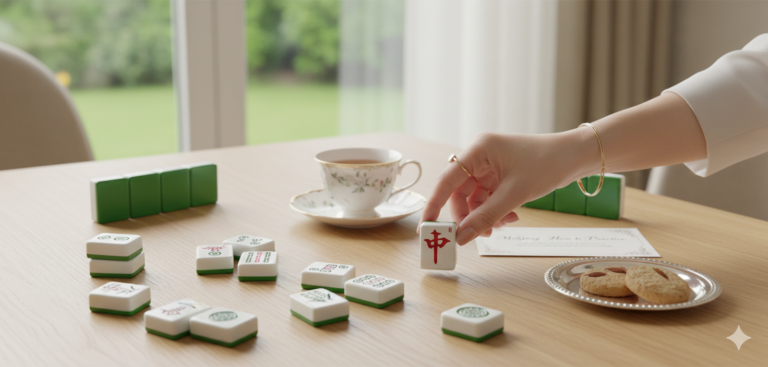
Rather than rushing through endless rounds, free Mahjong practice invites players to slow down and engage with each decision. Fewer hands do not mean less learning. In many cases, they mean more attention.
Why fewer hands can lead to deeper focus
Practicing Mahjong without limits can sometimes create distraction. When hands feel endless, decisions blur together. Patterns pass unnoticed. Free Mahjong practice, by contrast, introduces a natural boundary that sharpens awareness.
Knowing that only a few hands are available encourages intention. Each discard matters more. Each draw receives attention. This structure mirrors traditional learning environments, where limits are used not to restrict, but to guide focus.
This approach aligns closely with how Mahjong has historically been learned — through observation, repetition, and reflection rather than volume.
Practicing without pressure
One of the advantages of free Mahjong practice is the absence of expectation. Without competitive stakes or social pressure, players can explore decisions quietly. Mistakes lose their weight. They become part of the learning process rather than interruptions to it.
Practicing in this way supports confidence. Over time, players become more comfortable pausing before discarding, reconsidering assumptions, and adjusting hand structure thoughtfully.
Mahjong’s long-standing role as a game of strategy and observation reflects this emphasis on decision-making over speed, a quality that has defined the game across cultures and generations.
Building consistency through limits
Consistency does not require intensity. It requires return. Free Mahjong practice supports this by making practice approachable. A few hands per day are easier to sustain than long sessions that demand uninterrupted time.
This rhythm encourages regular engagement. Players return daily, not because they feel obligated, but because the practice feels manageable. Over time, these small moments accumulate into meaningful progress.
Many players find that free Mahjong practice changes how they approach the game emotionally. Without the pressure to finish a session or keep pace with others, attention shifts inward. Decisions feel quieter. There is more room to notice why a particular tile feels right to discard, or why holding onto another creates unnecessary tension in the hand.
This kind of awareness is difficult to cultivate during fast play. Free Mahjong practice slows the experience just enough to make these small insights visible. Over time, players begin to recognize recurring situations and respond with greater ease. What once felt uncertain starts to feel familiar, not because it has been memorized, but because it has been understood through repeated, thoughtful exposure.
Another benefit of free Mahjong practice is how it supports learning without fatigue. Long sessions can be mentally demanding, especially for players still building confidence. Practicing a limited number of hands allows focus to remain sharp rather than scattered. Each hand feels complete rather than rushed through.
This approach encourages a healthier relationship with improvement. Progress is measured quietly, through steadier decisions and increased comfort, rather than through volume or speed. Over time, players often discover that fewer hands practiced with attention lead to stronger outcomes than many hands played without reflection.
A modern approach to practice
In a modern context, Mahjong practice has expanded beyond physical tables. Digital environments allow players to practice privately, revisit decisions, and learn at their own pace.
For those interested in learning Mahjong in a modern context, guided practice offers a way to focus on specific skills — such as discarding thoughtfully — without distraction.
Free Mahjong practice, when designed intentionally, is not a preview of something greater. It is a complete practice in its own right, offering clarity one hand at a time.